My Life Balance



Positive Psychology and Wellbeing Coaching
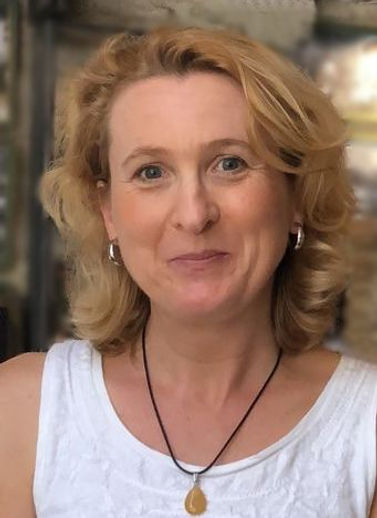
Welcome to My Life Balance. I’m Julia, a positive psychology and wellbeing coach with a Postgraduate Diploma in Psychology and a passion for helping people create healthier, more balanced and fulfilling lives.
Life can become consumed by work, family and everyday demands, leaving little time to reconnect with what matters to us. My Life Balance provides professional, non-judgmental and personalised coaching to help you make meaningful, sustainable changes across the areas of life that influence your wellbeing - including mental and physical health, nutrition, relationships, work, lifestyle and personal growth.
Drawing on positive psychology, slow coaching, motivational interviewing, mindfulness and behaviour change approaches, the aim is to explore your strengths, values and motivations to create practical strategies that work for you.
I particularly value slow coaching - an intentional, unhurried approach that creates space for genuine self-reflection, builds confidence and helps you discover your own motivation for change. Rather than quick fixes, the focus is on developing realistic habits and lasting change.
Together, we can create greater balance, resilience and wellbeing - and help you move towards a life that feels more authentic, healthy and fulfilling.
If you are unsure whether a balanced life is even possible, my blog article may provide a good starting point for reflection.

Why My Life Balance?


Stress Management
Our brains gets stuck in stress mode when cortisol keeps firing even after the stress is over. High cortisol creates anxiety and increased sensitivity to stress, creating a feedback loop. Stress management aims to support you to break this loop by developing practical wellbeing strategies to reduce cortisol levels. This may involve guided exploration, scheduling intentional downtime, learning mindfulness techniques, breaking thought patterns, and time management.

Mindfulness Training
Mindfulness, originating in Buddhism, is a mental state of focused attention with non-judgmental awareness. Mindfulness interventions include meditation and relaxation techniques such as nature visualisations, body scans, and breathwork. By improving vagal function and focus, the brain’s neuroplasticity is altered in positive ways.
Work-Life Balance
Work-life balance is increasingly hard to achieve as competing demands keep us endlessly busy. Working on slowing down, identifying goals and values, building resilience and focusing on wellbeing strategies will help support you to achieve a balanced, productive and meaningful life.
Life Transitions
Whether it is a career change, a relationship breakup, parenthood, retirement, or a personal loss, life transitions create uncertainty and stress. Navigating these changes with non-judgmental support can bring clarity and resilience. Processing emotions, and building coping strategies can help you find meaning and direction through difficult times.
Health and Wellbeing Coaching
It can be hard to know where to start to break lifestyle habits that have developed in response to a busy lifestyle. Whether it is support with nutrition, fitness, weight management, reducing alcohol consumption, smoking cessation, improving sleep, or managing chronic conditions, coaching can make all the difference in creating sustainable change. Individualised action plans that uncover intrinsic motivation, create realistic goals and increase self-efficacy can significantly reduce stress and improve overall quality of life.
Women's Health
Women experience unique physical, emotional, and psychological challenges across the lifespan. Whether facing hormonal changes, identity shifts, or life pressures, it is important for women to feel they have a safe space to explore their experiences, build resilience, and prioritise their mental, physical and emotional health.